
Articles / Factory audit / 12 Sep 2026 / 6 min read
China factory audit checklist: what to verify before you pay a deposit
A China factory audit is an on-site check that a supplier is a real manufacturer, able to make your product at your quantity and quality, before you pay a deposit. Here are the three kinds of audit, when you need one, the step-by-step on-site checklist, and who should do it.
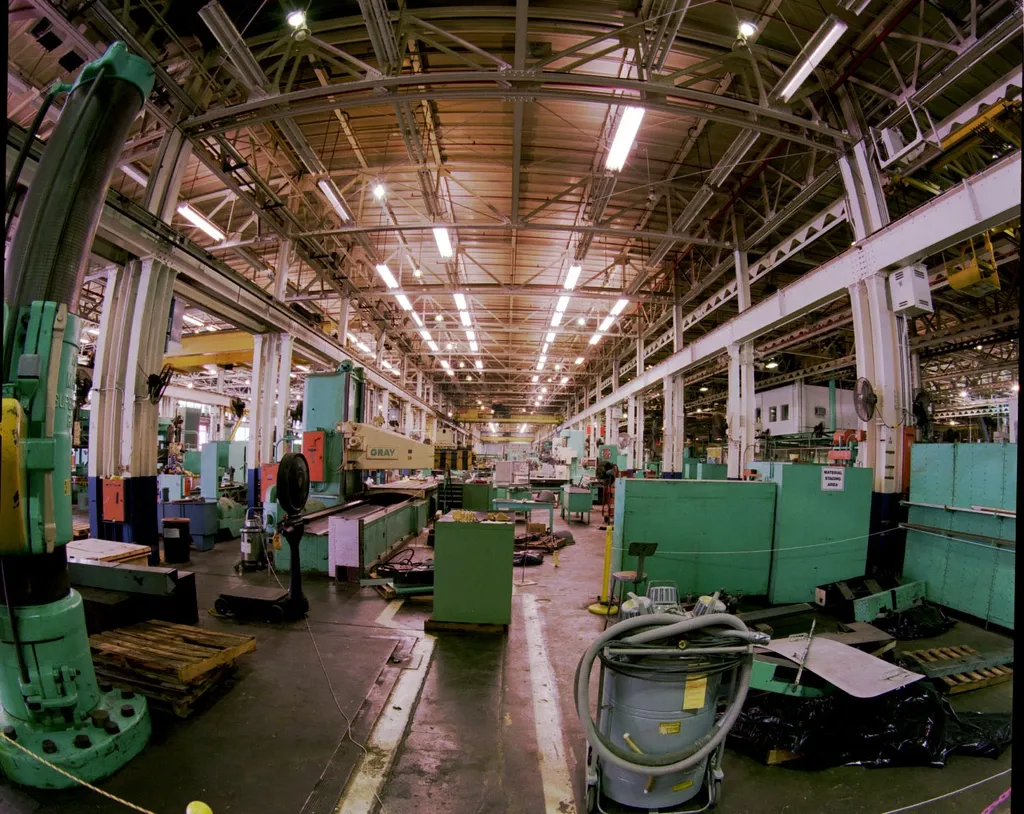
A China factory audit is an on-site check that a supplier is a real manufacturer, able to make your product at your quantity and quality, before you pay a deposit. It sounds like something only big buyers do. In reality, it answers one small question: is this factory what it claims to be? You can answer it for the cost of a day trip or a local third-party visit — far cheaper than a wrong deposit. This guide covers the three kinds of audit, when you need one, the on-site checklist step by step, and who should do it.
Three kinds of factory audit
“Factory audit” is used for three different checks. Know which one you are buying before you book anyone.
| Type | What it checks | When it fits |
|---|---|---|
| Supplier verification | Business license, registry records, export history, a live video walk-through. Mostly done remotely. | Every new supplier, before you spend money on samples. |
| Factory assessment (quality and capacity) | Whether they make your product themselves, real capacity, QC stations, defect records. Done on site. | Before the first bulk deposit with a new factory. This is the checklist below. |
| Social and compliance audit | Working hours, wages, safety, environment, often against a named standard such as amfori BSCI or SMETA. | When a retailer or marketplace customer requires it. |
Start with verification; our guide to verifying a Chinese supplier covers the free checks you can do in one afternoon. The on-site assessment is the step most small buyers skip, and the one that catches the expensive surprises.
When you need an on-site audit
- First bulk order with a new supplier, and the deposit is money you cannot afford to lose.
- Custom product or tooling: molds, private label, your own spec. You need the factory that will actually make it, not a reseller.
- The story does not add up: a “factory” whose quotes, photos or lead times look like a trading company.
- Your customer asks for it: retailers and some marketplaces want an audit report on file.
For a repeat order with a supplier who has already shipped you good goods, a pre-shipment inspection is usually enough.
The on-site checklist
Walk through these in order. Each step catches a different failure.
1. The company behind the gate
Ask for the business license and check three things: the registered name matches the one on your quotation, the scope covers manufacturing (not just trading), and the registration date matches the “founded in 2012” story. Then cross-check the name on an independent registry. A trading company is not automatically bad — but if they present themselves as a factory and are not, everything else they say needs re-verifying.
2. Do they actually make your product?
Walk the floor and find your product category in production — not in a showroom. A showroom can be borrowed; a running line cannot. Check whether the machines you see are the machines your product needs (a factory showing you injection molding when your part requires CNC is a red flag), how much of the line is running, and whether the workers handling your type of process look trained or newly seated.
3. Capacity, measured not asked
Nobody admits to being too busy. Instead of asking “can you handle my volume?”, count: how many production lines exist, how many are running, what is on them (their existing orders tell you their real customers and real batch sizes), and how many shifts run per day. Compare that arithmetic against your order quantity and deadline. The answer usually appears without anyone saying a word.
4. Quality control that exists when you are not there
Look for a QC station, not a QC poster: incoming-material checks, in-line inspection points, and a final inspection area with actual instruments — calipers, gauges, functional test rigs — that show signs of use. Ask to see an inspection report for a real recent order (redact nothing you need). If QC is one person with a stamp, or “the workshop manager checks everything”, your future shipments are being checked by the same person who is behind schedule.
5. The paperwork trail
Ask how a defect is recorded and what happens to it: is there a non-conformance log, do rejected goods sit in a visible area, and can they show you a corrective action from the past three months? Factories that fix problems keep receipts. Factories that hide problems keep everything looking perfect — until your container lands.
6. Conditions that predict your quality
Worker dormitories, turnover in the assembly area, lighting at final inspection, how materials are stored (off the floor? covered? FIFO?). These are not charity items — they are leading indicators. A factory that cannot keep its own house in order will not keep your spec in order either.
7. The trading-company test (do it kindly)
Trading companies can be useful partners — but you must know which one you have. Two questions settle it: “Can I watch my production run?” and “Whose name is on the export documents?” Vague answers here cost real money later, when warranty claims need the actual manufacturer.
What an audit does not tell you
An audit is a snapshot of capability and honesty — it does not guarantee batch quality. That is what pre-shipment inspection is for: the audit decides who you trust with the order; inspection decides whether each shipment matches the standard you agreed on. Serious buyers run both, in that order.
How to act on the results
Score every item pass / caution / fail, put it in writing, and send it to the factory. How they respond to a written audit report is itself the final test: good factories answer point by point with dates. Silence or offense means you learned what you needed to learn — before the deposit, not after.
Who should do the audit
You have three options. Go yourself: the deepest look, but only if you know what to watch for, and it costs you a week for one supplier. Book a large third-party firm: a standard checklist and a branded report, though the auditor may be seeing your product category for the first time. Use a local agent who knows your product: faster to book and can judge things a generic form misses; ask for a sample report first. What each option costs, and what cheap audits skip, is in our breakdown of factory audit cost in China.
Quick answers
Is a factory audit worth it for a small first order?
Usually yes, if the deposit would hurt to lose. A short on-site visit is cheap compared with paying a deposit to a supplier who cannot deliver. For tiny test orders, careful supplier verification and a sample may be enough.
How long does a factory audit take?
Typically one working day on site for a single factory, plus time to write the report. Factories far from a major city can add travel days.
Can a video call replace an on-site audit?
Partly. A live video walk-through can show the floor and machines, but the factory chooses where the camera points. Use it to screen suppliers, not to approve a large deposit.
What is the difference between a factory audit and a pre-shipment inspection?
An audit checks the factory before you order: who they are and whether they can make your product. A pre-shipment inspection checks your finished goods before you pay the balance. Most serious buyers use both.