
Articles / Supplier verification / 19 Oct 2026 / 6 min read
Supplier won't send a sample until you commit to an MOQ?
A supplier who holds the sample until you commit to an MOQ is usually protecting sampling time, not hiding a bad product. The fix is to turn the sample into written terms: what you get, who pays, how long it takes, and whether the fee comes off the bulk order.
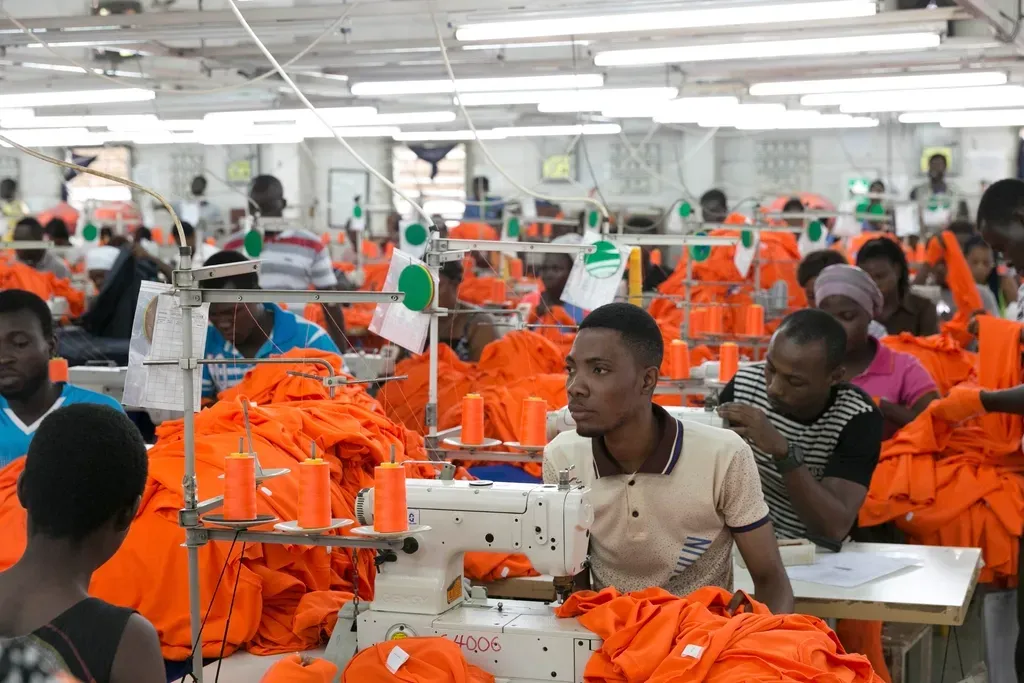
A supplier who will not send a sample until you commit to an MOQ is usually protecting sampling time, not hiding a bad product. The way out is not to argue about trust. It is to turn the sample into written terms: what you get, who pays for it, how long it takes, and whether the sample fee comes off the bulk order.
Many first-time buyers worry that a refusal means the factory has something to hide. Sometimes it does. More often the salesperson simply has no process for a single unit, and no authority to give one away.
Why the answer is often "sample after you place the order"
Three things sit behind that reply.
- Sampling costs time the factory cannot bill. A line set up for a run of 500 does not enjoy stopping for one unit. Someone has to pull material, set the machine, and hand-finish the piece.
- They are afraid of losing the setup work. If your sample involves a print, a mould, or a custom colour, the factory is handing over work that took effort to prepare. Some have been asked for a sample and then never heard from the buyer again.
- The salesperson may not be allowed to say yes. Many export sales staff earn commission on bulk orders. A free sample is a cost their manager has to approve, so the easy answer is "after you order".
None of this makes the supplier dishonest. But none of it means you should wire a bulk deposit just to see your first real unit either. A middle ground exists; you have to ask for it in the right words.
The three kinds of sample you can ask for
Use these names when you write, so the supplier knows exactly which conversation you are having.
Stock sample
An existing product from their catalogue, pulled off the shelf and sent to you. It is the fastest option and usually the cheapest. It tells you how they finish a normal run and how they pack. It does not tell you whether they can hit your spec, because it was not made to your spec.
Custom sample, made to your spec and paid for
They produce one or a few units against your spec sheet, artwork, or colour. This is real work: setup, material, machine time. Expect a sample fee and a lead time measured in days, not hours. This is the sample that actually answers "can they make my product".
Paid sample credited against the bulk order
You pay for the sample now, and the factory writes off that amount against your bulk invoice if you go ahead. This is the most common compromise, and it is the one worth pushing for. It protects the factory from free-sample hunters and protects you from paying twice for the same setup.
If a supplier offers only a free sample after the order, ask directly: "Can I pay for a pre-production sample now, and have that amount deducted from the bulk order if I proceed?" A factory that makes your product should be able to answer that in one line.
What to put in the email
Vague chats produce vague answers. Send one message that lists every condition, so nothing depends on goodwill later.
- The spec: materials, dimensions, weight, colour reference, artwork files, and the finish you expect.
- How many sample units you want, and in which sizes or variants.
- Who pays the sample fee, and how much it is.
- The sampling lead time, with the date you expect it dispatched.
- Who pays freight, and on whose courier account it ships.
- Whether the sample fee is deducted from the bulk order, and on what condition.
- What happens if the sample is wrong: rework, a second sample, or refund of the sample fee.
- Photos or a short video of the finished sample before it ships, so an obvious error is caught before you pay freight.
- A request that all of the above be confirmed in the message thread, not only by voice call.
Keep it polite and short. You are not accusing anyone. You are asking a factory to quote a small job, which is a normal thing to ask.
Get the sample terms in writing
A verbal "yes, we will deduct it" is worth very little three months later when a different salesperson handles your order. Put the sample terms in the proforma invoice, or in a short written confirmation both sides reply to.
Two lines do most of the work:
- "The sample fee is creditable against the bulk order if the order is placed within the agreed number of days."
- "The approved sample is the reference standard for bulk production."
That second line matters more than buyers expect. If you approve a sample, keep it, photograph it, and refer to it when the bulk goods arrive. It becomes the thing your pre-shipment check is measured against — see pre-shipment inspection in China for what gets compared.
Also ask where the money goes. A sample fee paid to the company account, with the company name on it, is a normal business payment. A sample fee pushed to a personal account with a story attached is one of the oldest warning signs there is.
Sample two or three factories in the same round
The expensive mistake is not a bad sample. It is spending six weeks and three rounds of emails discovering that one factory cannot do the job.
Send the same spec sheet to two or three factories at once, and ask each for the same sample on the same terms. Then compare side by side: finish, weight, stitching or moulding, packing, and how each one answered your questions. A buyer comparing three samples learns more in one week than a buyer chasing one perfect sample for a month.
This is also where a sourcing agent earns its keep. When we shortlist options for a buyer, we put two or three models side by side with real quotes and a comparison, so the choice is between known options instead of a hunch. Samples work the same way: one sample from one factory is an opinion, three samples from three factories is a decision.
If you are not sure what to write to the factories in the first place, the RFQ template covers the wording, and how to verify a Chinese supplier covers the checks worth doing before any money moves.
When to walk away
Some answers are worse than a no.
- The supplier will not put sample terms in writing, only on a call.
- The sample photos are the same catalogue renders you already saw, and nobody will shoot the actual unit.
- Nobody will say who pays freight, or freight is described as "to be advised" after you have paid the sample fee.
- You are asked for a deposit to lock the price before any sample exists.
- The sample matches the photos, then the bulk terms change: different material, different MOQ, different payment split.
On that last point, payment structure and sample approval are linked. If a supplier wants a large share of the money upfront and will not show you a unit first, read whether to accept 30/70 payment terms before you decide.
Quick answers
Is it normal to pay for a sample?
Yes, for anything made to your spec. Setup and material cost real money, and a paid sample is a normal business arrangement, not an insult.
Can I get the sample fee back?
Often yes, as a credit against the bulk order rather than cash. Ask for the credit in writing with a time limit, and confirm that the approved sample is the reference standard for production.
How long should a sample take?
It depends on the product. Stock items can ship in days; custom samples usually take one to two weeks plus freight. What matters is that the supplier gives you a date before you pay, and tells you when it slips.
What to do next
Write the email this week, with the conditions above, and send it to two or three factories. If you would rather have someone run that round for you — asking for samples, comparing what comes back, and confirming the terms in writing — send us the product with your spec and target quantity, or look at how our sourcing service works.